


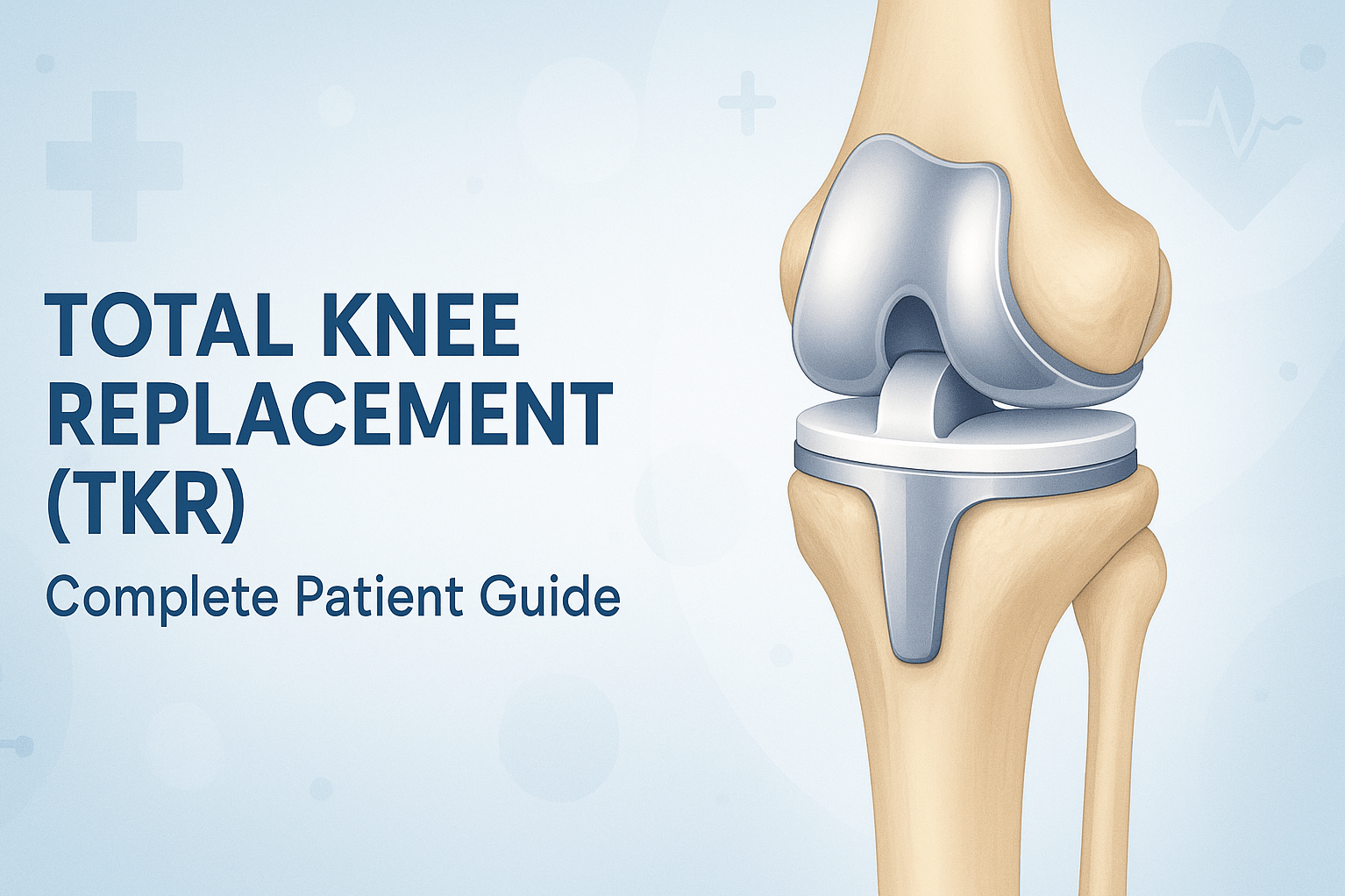
Living with constant knee pain can feel like carrying an invisible weight that steals your daily joy—simple walks, stairs, or even sitting become battles. Knee replacement surgery offers real hope for those exhausted by joint pain from arthritis or injury, replacing the worn-out parts with smooth, durable implants to bring back your active life.
Understanding Your Knee Pain
Severe knee pain often stems from osteoarthritis wearing down cartilage, rheumatoid issues causing inflammation, or old injuries leading to instability. You might notice swelling that won't quit, stiffness locking you up in the morning, grinding sounds when moving, or pain so sharp it disrupts sleep and work. When meds, injections, or physio no longer help, surgery steps in as a proven fix—over 90% of patients report major relief.
Is Surgery Right for You?
You're a good fit if pain rules your days despite trying everything else, your knee bends less than 90 degrees, or X-rays show bone-on-bone contact. Active folks aged 50-80 with realistic goals—like pain-free walking or gardening—benefit most. Doctors weigh your weight, heart health, and leg strength first; losing even 10% body weight pre-surgery boosts outcomes.
What Happens During Surgery
Imagine a skilled surgeon making a 6-8 inch cut over your knee, gently moving tissues aside, then reshaping the thigh bone (femur), shin bone (tibia), and kneecap to fit metal caps and a plastic spacer. It takes 1-2 hours under spinal anesthesia—you're awake but numb below the waist, chatting if you want. Alignment tools ensure your new knee tracks naturally, and stitches close it up for a fresh start.
Total vs. Partial Replacement
- Total Knee Replacement: Full overhaul for both sides of the joint; ideal for widespread damage.
- Partial: Just the bad compartment, saving healthy bone—quicker healing if your pain is one-sided.
- Fast-track versions at places like FastTrackKneeReplacement.com use tiny cuts and nerve blocks for walking same-day.
Real Recovery Journey
Day 1: You're up with a walker, pain managed by blocks that last 24-48 hours.
Weeks 1-6: Daily physio builds bend (aim for 120 degrees) and strength; ditch crutches by week 4.
Months 3-12: Drive at 4-6 weeks, work at 6-12, hike lightly by year-end—full life returns. Ice, elevate, and protein-rich foods speed it up.
WeekWhat You'll DoTips from Patients1Short walks, basic exercisesUse raised toilet seat; no crossing legs.4Stairs solo, longer outingsSwap slippers for grippy shoes.12Golf or cyclingAvoid squats; listen to body signals.
Possible Hurdles and Safeguards
Clots, infection (under 1%), or stiffness worry many, but blood thinners, sterile protocols, and prompt rehab keep risks low. Choose a high-volume surgeon—experience cuts complications by half. Long-term, implants last 15-20 years; revisions are rarer now.
Costs in Delhi NCR
Expect ₹2.5-4 lakhs total, with implants at ₹1-1.5 lakhs and fast-track saving 20-30% via quick discharge. Insurance often covers 80%; check for packages including physio.
Prep Like a Pro
Stock up on ice packs, grab a shower chair, quit smoking 4 weeks prior, and practice bends now. Arrange help for week 1—family or services ease the load. Post-op, walk daily, eat anti-inflammatory foods like turmeric curry, and attend all check-ups.
Life After: Patient Stories Reflected
'Post-surgery, I danced at my grandson's wedding—pain gone after years of limping,' shares one Delhi patient. Expect better sleep, confidence on uneven streets, and freedom from pills. At FastTrackKneeReplacement.com, tailored fast recovery gets you home fast, back to life's rhythm.