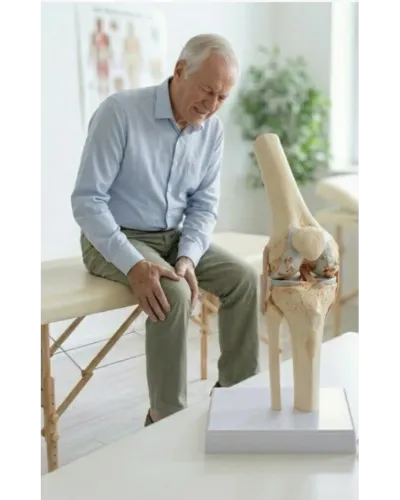
Knee pain got you skipping your evening walks or dodging Delhi's potholes like a pro? Hey there, I'm like that friendly doctor down the street—think of me as your neighborhood knee expert, chatting over a hot cup of masala chai. You've battled enough with creaky joints from our dusty roads and long office hours. Knee replacement isn't some scary factory fix; it's your personal reset button to pain-free days. With 17+ years under my belt, AIIMS training, and countless South Delhi patients dancing at weddings again, let's break it down simply. You deserve to know how we make joint replacement Delhi a breeze.
Why Knee Replacement Right Now?
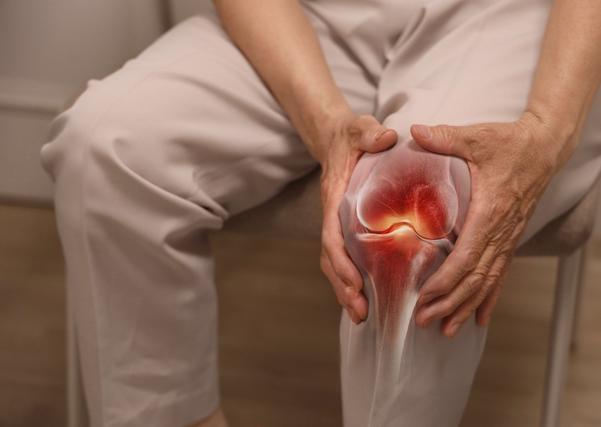
Ever ask yourself, 'Why me?' Knee arthritis treatment fails when cartilage vanishes—like sandpaper grinding bone. Delhi's pollution and weight from butter chicken feasts speed it up. You limp, swell, pop pills endlessly. That's your cue. We swap the wrecked parts with tough metal and plastic implants. No more 'beta, rest karo.' Patients tell me, 'Doc, I forgot I had surgery!' It's quick, local, and life-changing.
The Simple Surgery Scoop
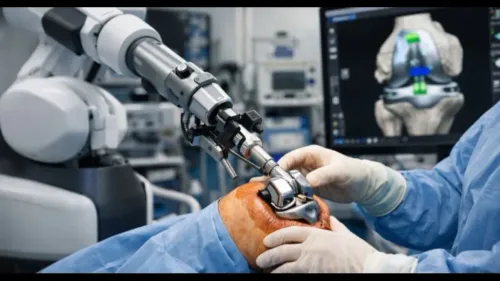
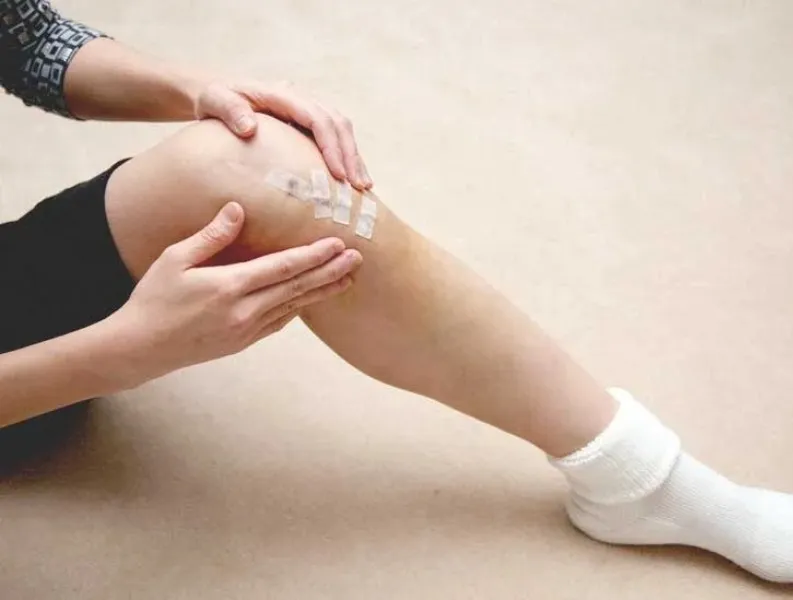
Picture this: A 1-2 hour ot under spinal anesthesia—you're chatting with us awake from the waist down. Tiny cuts (not those old huge scars). Dr. Aman Dua surgeon uses 3D planning for perfect fit. In fast track style, you're sipping lassi Day 1, home by Day 2. Why drag it out? We dodge long hospital waits—perfect for your family's Diwali plans.
Benefits That Hit Home
Ready for the good stuff? Knee replacement Delhi delivers big:
- Pain? Gone like monsoon fog—walk without wincing.
- Fast Feet: Up with a walker same day; drive in 10 days. No months on crutches.
- Built Tough: Lasts 15-20 years, even for active aunties climbing stairs.
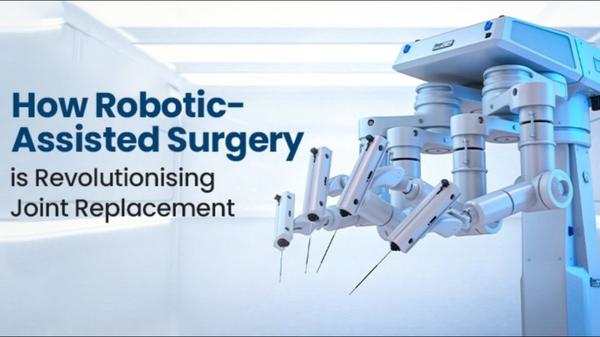
- Feels Yours: Custom like your favorite kurta—no clunky robot feel.
One uncle from Gurgaon hit the club after 4 weeks. You next?
Your Recovery Roadmap
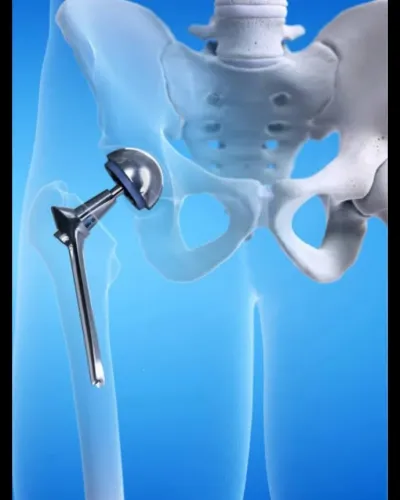
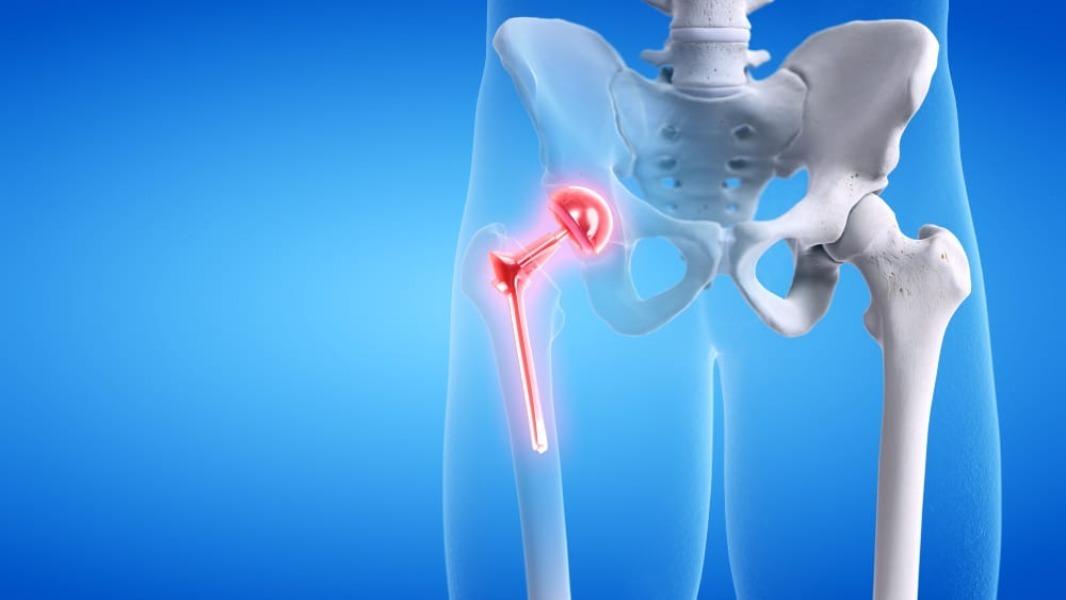
Scared of the after? Don't be—we've got your back. Hour 1: Gentle steps. Day 3: Home, light cooking. Week 2: Markets, autos. Month 2: Yoga, travel. We send physio videos, call daily. Love our hip-replacement tips if both sides ache? Indian Orthopaedic Association cheers this speed—90% back to normal fast.
Risks? We Keep 'Em Tiny
Fair question—what if? Infection? Under 1% with our sterile magic and antibiotics. Clots? Leg pumps and thinners zap them. Stiffness? Early moves crush it. Loosening? Rare in my 1,200+ cases. Dr. Aman Dua's experience spots hiccups early. We chat risks like pals—no jargon, full honesty.
Why Dr. Aman Dua Tops Delhi Lists
Delhi traffic tests bad knees daily. Me? AIIMS gold, Max Hospital base, 17+ years fixing complex messes. Patients rave: 'From wheelchair to brisk Lodhi walks!' E-E-A-T proven: Experience in ligament reconstruction too, Expertise from US fellowships, Authority in knee guides, Trust via 5-star Google love. South Delhi clinic—beat the jam easy.
FAQ: Your Burning Questions
Hurts bad after? Mild throb, like tough cardio—fades in days.
Too young at 55? Nope! Active folks thrive; scans decide.
Partial enough? Yes, for one-side wear—we tailor.
Gym return? Month 3, build slow.
Night pain gone? 95% say yes forever.
Don't let knees steal more joy—book with Dr. Aman Dua at fasttrackkneereplacement.com/contact. Call +91-08048060787 now. We're in this together. Your pain-free strut through Delhi awaits—let's make it happen!
Keywords