
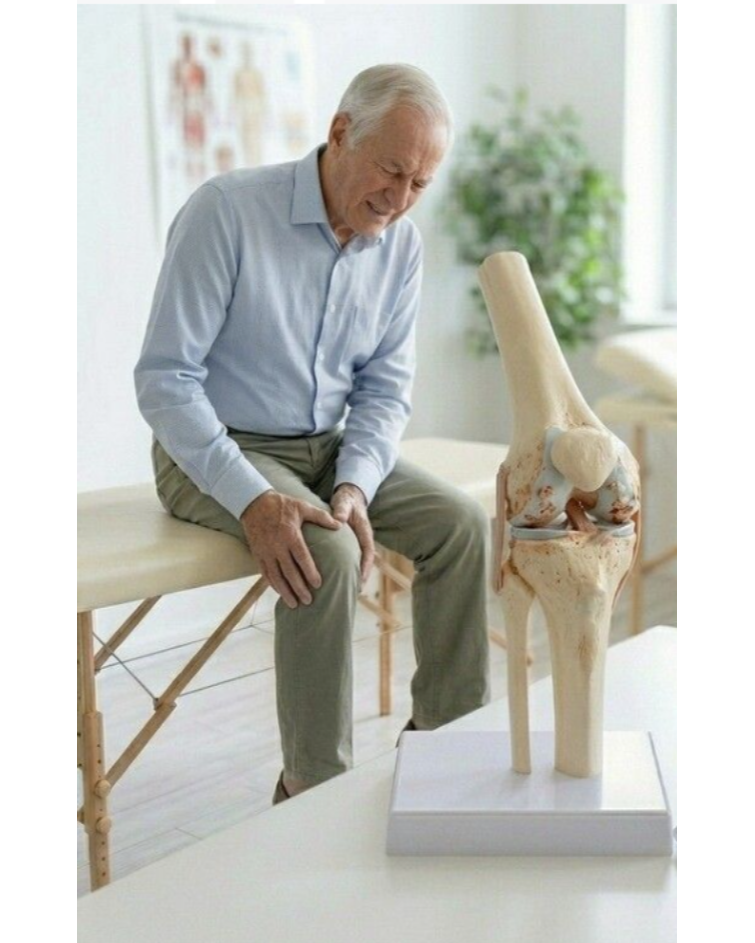

Knee Arthritis Treatment in Delhi NCR: From Pain Management to Surgery
By Dr. Aman Dua, Senior Orthopedic Surgeon — Fortis Escorts Hospital, Delhi
Category: Knee Arthritis & Treatment | Reading Time: ~7 Minutes | Updated: 2026
Knee arthritis is one of the most prevalent and debilitating conditions affecting adults in Delhi NCR. Whether you are a 45-year-old professional in Gurugram noticing stiffness when you climb stairs, or a 70-year-old resident of South Delhi who can no longer take an evening walk without severe pain — knee arthritis has the power to fundamentally change how you live.
The good news is that knee arthritis is treatable at every stage. With early intervention, many patients can manage symptoms non-surgically for years. When the condition advances, modern surgical options — including total knee replacement and robotic-assisted surgery — can completely eliminate pain and restore mobility. In this guide, Dr. Aman Dua walks you through everything you need to know about knee arthritis and its treatment options in Delhi NCR.
What Is Knee Arthritis?
Arthritis literally means inflammation of the joint. In the knee, the most common type is osteoarthritis — a degenerative condition in which the protective cartilage covering the ends of the knee bones gradually wears away. As cartilage thins and eventually disappears, the knee bones begin to rub directly against each other, causing pain, swelling, stiffness, and ultimately, significant disability.
In Delhi NCR, knee osteoarthritis is especially prevalent due to a combination of factors including a large aging population, high rates of obesity (which places extra load on the knee joint), lifestyle factors such as prolonged squatting and floor sitting, and a historically low awareness of early intervention.
Other Types of Knee Arthritis:
• Rheumatoid Arthritis (RA): An autoimmune condition where the body's immune system attacks the joint lining, causing chronic inflammation
• Post-traumatic Arthritis: Arthritis that develops after a knee injury, such as a fracture or ligament tear
• Gout: A form of arthritis caused by uric acid crystal deposits in the joint
Symptoms of Knee Arthritis — When to See Dr. Aman Dua
Knee arthritis typically progresses gradually. Recognising the symptoms early gives patients the best chance of effective non-surgical management. Key symptoms include:
• Persistent knee pain that worsens with activity and eases partially with rest
• Morning stiffness in the knee lasting more than 30 minutes
• Swelling, warmth, or tenderness around the knee joint
• A grinding, clicking, or crunching sensation (crepitus) when moving the knee
• Reduced range of motion — difficulty fully straightening or bending the knee
• Knee giving way or feeling unstable when bearing weight
• Changes in the shape or alignment of the knee (bowing inward or outward)
If you are experiencing two or more of these symptoms for more than 6 weeks, a consultation with Dr. Aman Dua at Fortis Escorts Hospital in Delhi is strongly recommended.
Early diagnosis is the single biggest factor in slowing the progression of knee arthritis. Patients who seek treatment at the first sign of symptoms have far more options available to them than those who wait until the damage is advanced.
Non-Surgical Treatment Options for Knee Arthritis
Dr. Aman Dua's approach is always to exhaust appropriate non-surgical treatments before recommending surgery. Depending on the stage of arthritis and the patient's overall health, one or more of the following may be recommended:
1. Physiotherapy and Exercise
Targeted physiotherapy is one of the most effective tools for managing early to moderate knee arthritis. Strengthening the muscles around the knee — particularly the quadriceps — reduces the load on the joint itself. A customised physiotherapy programme designed by Dr. Aman Dua's team can significantly reduce pain and slow disease progression.
2. Weight Management
Every kilogram of body weight places approximately 3–5 kilograms of additional load on the knee joint. For overweight patients in Delhi NCR, even a modest reduction in body weight can produce meaningful reductions in knee pain. Weight management is often the single most impactful non-surgical intervention.
3. Medications
Anti-inflammatory medications (NSAIDs) can provide significant short-term pain relief. These are recommended for intermittent use under medical supervision, as long-term use carries risks for the stomach and kidneys. Topical anti-inflammatory gels are a safer option for mild to moderate pain.
4. Corticosteroid Injections
Steroid injections directly into the knee joint can provide powerful but temporary pain relief — often lasting 2–4 months. They are most effective in the early and middle stages of arthritis and are useful for patients who need relief while pursuing other treatments or waiting for surgery.
5. Hyaluronic Acid Injections (Viscosupplementation)
Hyaluronic acid injections — also called gel injections or lubricant injections — aim to supplement the natural fluid in the knee joint, reducing friction and pain. Results vary between patients, but many find them helpful for managing moderate osteoarthritis.
Surgical Treatment: When Is Knee Replacement Necessary?
When non-surgical measures can no longer provide adequate relief and the patient's quality of life is severely affected, surgery becomes the most appropriate recommendation. Dr. Aman Dua performs several surgical procedures for knee arthritis, including:
Total Knee Replacement (TKR)
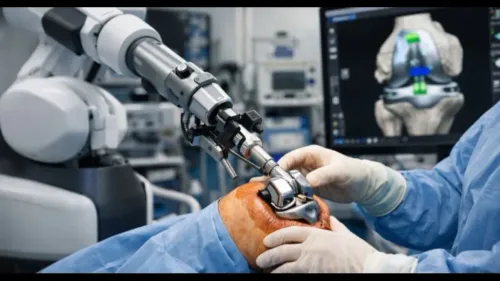
The gold standard for advanced knee arthritis. The damaged surfaces of the knee are replaced with precision-engineered metal and plastic implants. With Dr. Aman Dua's use of robotic-assisted surgical guidance, implant alignment and fit are optimised to a degree not achievable by conventional technique alone, resulting in better function, less pain, and longer implant life.
Partial (Unicompartmental) Knee Replacement
For patients whose arthritis is confined to one compartment of the knee, a partial replacement preserves healthy bone and cartilage and typically offers faster recovery than total replacement. Dr. Aman Dua assesses each patient's scans carefully to determine whether partial replacement is an appropriate option.
Osteotomy
A surgical procedure that realigns the bones around the knee to shift weight away from the damaged area. Osteotomy is most appropriate for younger, active patients with arthritis affecting only one side of the knee, and can delay the need for replacement surgery by several years.

Frequently Asked Questions — Knee Arthritis in Delhi NCR
Q1: Is knee arthritis curable without surgery?
In its early stages, knee arthritis can be effectively managed with non-surgical treatments — reducing pain and slowing progression for years. However, arthritis is a degenerative condition, meaning it tends to worsen over time. Surgery is not always inevitable, but for patients with advanced joint damage, knee replacement is the most reliable path to a pain-free life.
Q2: What foods should I avoid if I have knee arthritis?
Inflammatory foods — including processed meats, refined sugars, white bread, and fried foods — can worsen arthritis symptoms. An anti-inflammatory diet rich in leafy greens, omega-3 fatty acids (fish, walnuts, flaxseed), and antioxidants (berries, turmeric) is beneficial. Dr. Aman Dua recommends a nutritionist consultation as part of a comprehensive arthritis management plan.
Q3: Does walking make knee arthritis worse?
Moderate, low-impact walking on flat surfaces is generally beneficial for knee arthritis — it strengthens the supporting muscles and keeps the joint mobile. High-impact activities like running, jumping, and walking on uneven surfaces can worsen symptoms. Swimming and cycling are excellent low-impact alternatives that are easy on the knee joint.
Q4: How long does recovery take after knee replacement for arthritis in Delhi?
Most patients are walking with support within 24 hours of surgery and are discharged in 3–5 days. Light daily activities can resume within 3–4 weeks. Full recovery, including a return to stairs, moderate walks, and driving, typically takes 6–8 weeks. Comprehensive rehabilitation lasts 3–6 months.
Q5: At what stage of knee arthritis should I see a doctor?
As soon as you notice persistent knee pain, stiffness, or swelling. Early assessment by an orthopedic specialist like Dr. Aman Dua gives you the full range of treatment options. Waiting until the pain becomes unbearable limits your choices and often results in greater joint damage.
Q6: Can both knees be replaced at the same time?
In selected patients who are in good general health and have severe arthritis in both knees, bilateral knee replacement can be performed in the same surgical session. Dr. Aman Dua evaluates each patient's suitability for simultaneous bilateral replacement on an individual basis, weighing the benefits of a single recovery period against the additional surgical and anaesthetic demands.
Your Path to Pain-Free Knees Starts With One Conversation
Knee arthritis is progressive — but it is not inevitable that you will suffer indefinitely. Whether you are in the early stages of arthritis and looking for ways to slow its progression, or you have been living with severe knee pain for years and want to understand your surgical options, Dr. Aman Dua can help.
Patients from across Delhi NCR — South Delhi, Lajpat Nagar, Faridabad, Noida, Greater Noida, and Gurugram — regularly visit Fortis Escorts Hospital for consultations. Book yours today and take the first step toward reclaiming your mobility.

Related Reading:
• Robotic-Assisted Joint Replacement Delhi | • Hip Replacement Surgery Delhi | • Revision Knee Replacement Surgery | • Ligament Reconstruction Surgery Delhi
© 2026 Dr. Aman Dua | Fortis Escorts Hospital, Delhi | fasttrackkneereplacement.com