
Hip Replacement Surgery in Delhi NCR: A Complete Patient Guide
By Dr. Aman Dua, Senior Orthopedic Surgeon — Fortis Escorts Hospital, Delhi
Category: Hip Replacement | Reading Time: ~7 Minutes | Updated: 2026
Hip pain is debilitating in a way that few other conditions can match. It affects your ability to walk, climb stairs, get in and out of a car, and even sleep comfortably. For millions of patients across Delhi NCR — including South Delhi, Noida, Gurugram, and Faridabad — hip arthritis and hip joint degeneration are among the most life-limiting conditions they face.
Hip replacement surgery, performed correctly, can give patients their lives back. In this comprehensive guide, Dr. Aman Dua — one of Delhi's leading joint replacement surgeons at Fortis Escorts Hospital — explains everything you need to know about hip replacement: what it involves, when to consider it, what recovery looks like, and why choosing the right surgeon in Delhi NCR makes all the difference.
What Is Hip Replacement Surgery?
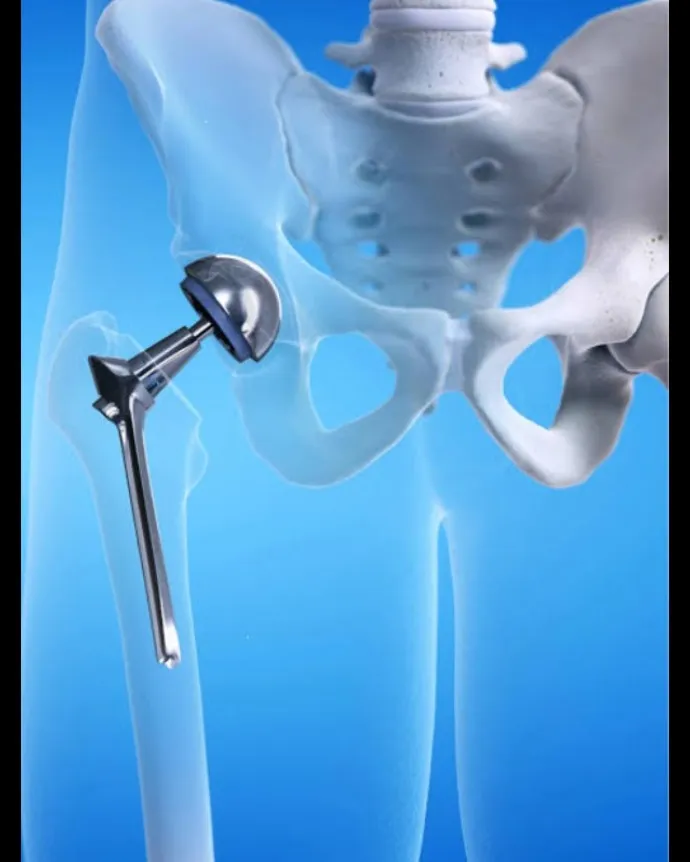
Hip replacement surgery — also known as total hip arthroplasty — is a procedure in which a damaged or arthritic hip joint is replaced with an artificial implant made of metal, ceramic, and high-grade polyethylene. The goal is to eliminate pain, restore mobility, and allow the patient to return to an active, independent life.
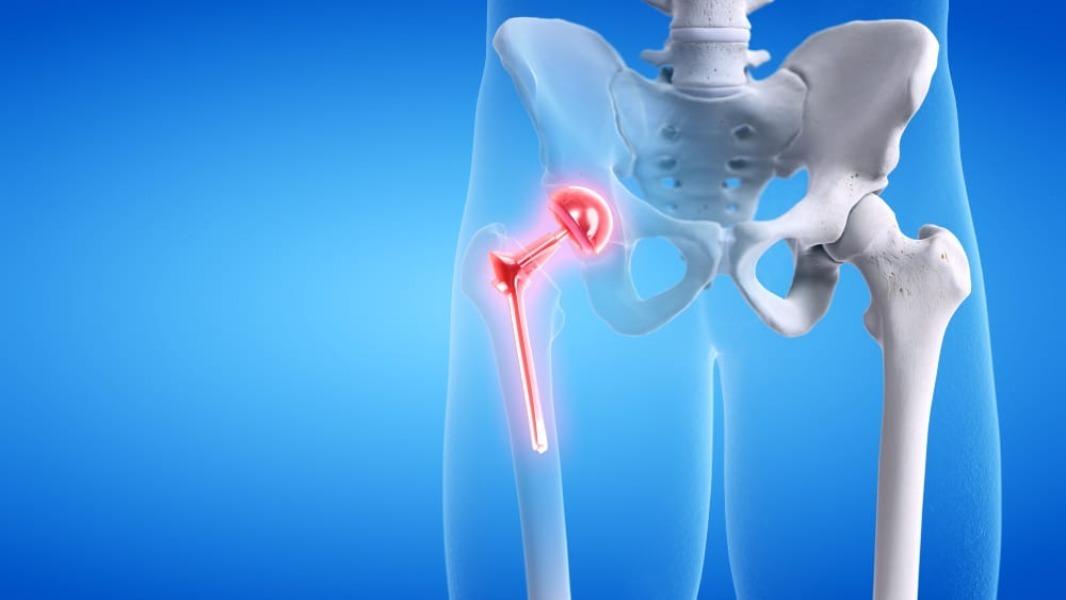
The hip is a ball-and-socket joint. In a healthy hip, the ball (the top of the femur, or thigh bone) fits smoothly into the socket (the acetabulum, in the pelvis). When arthritis, injury, or avascular necrosis damages this joint, the cartilage that allows smooth movement wears away, resulting in bone-on-bone contact — which causes the severe, persistent pain that brings patients to Dr. Aman Dua's clinic.
During surgery, the damaged ball is replaced with a metal or ceramic head fixed to a stem inserted into the femur, and the damaged socket is replaced with a metal cup lined with a smooth plastic or ceramic surface. The result is a joint that moves freely and without pain.

When Is Hip Replacement Surgery Recommended?
Hip replacement is not a first resort. Dr. Aman Dua always exhausts non-surgical options first — anti-inflammatory medication, physiotherapy, weight management, and corticosteroid injections. Surgery is recommended when:
• Hip pain is severe and persistent, occurring even at rest or during the night
• Daily activities — walking, bathing, dressing, using stairs — are significantly impaired
• Imaging (X-ray or MRI) confirms advanced joint damage or bone-on-bone arthritis
• Non-surgical treatments have failed to provide lasting relief over several months
• The patient's quality of life is significantly and measurably reduced
Patients across Delhi NCR — from working professionals in Gurugram in their 50s to retired residents of South Delhi in their 70s — commonly present with these symptoms. Age alone is not the determining factor; overall health, bone quality, and the degree of joint damage guide the decision.
Key Benefits of Hip Replacement Surgery
1. Dramatic, Lasting Pain Relief
The most immediate benefit of hip replacement is the elimination of joint pain. Because the damaged cartilage and bone are completely removed and replaced, the source of pain is addressed at its root — not masked with medication.
2. Restored Mobility and Independence
Patients routinely describe hip replacement as giving them their independence back. Walking to the market, climbing stairs without holding the railing, sitting comfortably through a meal — these everyday activities become possible again within weeks of surgery.
3. Long-Lasting Results
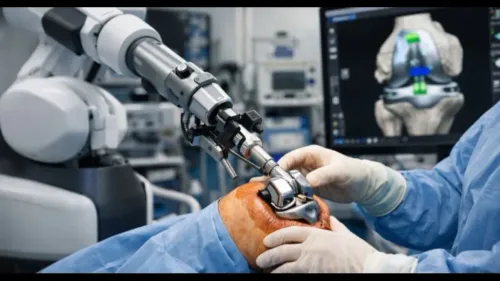
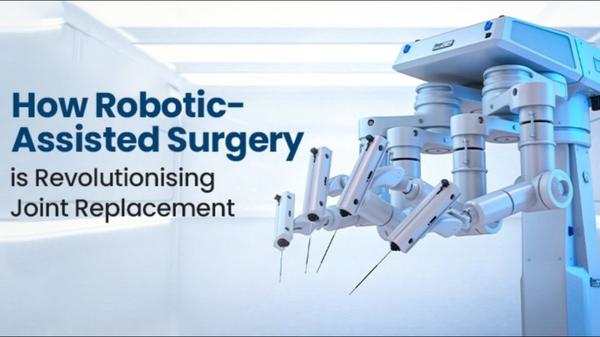
Modern hip implants, when correctly placed, are designed to last 20–25 years or more. With Dr. Aman Dua's use of advanced techniques including robotic-assisted guidance where appropriate, implant positioning is optimised for maximum longevity.
4. Fast Recovery with Modern Protocols
At Fortis Escorts Hospital, Dr. Aman Dua uses Fast Track Recovery protocols — a combination of minimally invasive surgical technique, advanced pain management, and early physiotherapy — that allow most patients to walk within 24 hours of surgery and be discharged within 3–4 days.
5. Improved Mental and Emotional Wellbeing
Chronic pain takes a severe toll on mental health. Patients who undergo successful hip replacement consistently report significant improvements in mood, sleep quality, social engagement, and overall wellbeing — often describing it as a transformation beyond just the physical.
What to Expect: Before, During, and After Surgery
Before Surgery
Dr. Aman Dua's team conducts a thorough pre-operative assessment including blood tests, X-rays, and a cardiac evaluation if needed. Patients are given detailed instructions on preparing for surgery, including any medication adjustments and pre-surgical physiotherapy exercises.
During Surgery
The procedure takes approximately 60 to 90 minutes under spinal or general anaesthesia. Dr. Aman Dua uses a minimally invasive approach wherever possible, reducing tissue damage, blood loss, and recovery time. Every implant is selected based on the patient's anatomy, age, activity level, and bone quality.
After Surgery & Recovery
Most patients are standing and taking assisted steps within 24 hours. Hospital stay is typically 3–5 days. A structured physiotherapy programme begins immediately in the hospital and continues at home. Patients can usually resume light daily activities within 3–6 weeks, with full recovery and return to normal activity by 3–6 months.
Frequently Asked Questions — Hip Replacement in Delhi NCR
Q1: What is the most common cause of hip replacement in Delhi NCR patients?
Osteoarthritis is by far the most common reason — a degenerative condition where the hip joint cartilage wears away over time. Other common causes include rheumatoid arthritis, avascular necrosis (loss of blood supply to the femoral head), and hip fractures in older adults. Dr. Aman Dua sees patients across all these categories at Fortis Escorts Hospital.
Q2: At what age can I have hip replacement surgery?
There is no fixed age limit. Hip replacement is performed on patients ranging from their 40s to their 80s. For younger patients, Dr. Aman Dua uses premium implant materials designed for higher activity levels and longer longevity. The decision is always based on the severity of joint damage and impact on quality of life, not age alone.
Q3: How painful is hip replacement surgery and recovery?
During surgery, patients feel nothing under anaesthesia. Post-operatively, modern pain management protocols — including nerve blocks, epidural anaesthesia, and targeted medications — keep pain well controlled. Most patients describe the post-surgical discomfort as significantly less than the chronic hip pain they were living with before the operation.
Q4: Is hip replacement available in Delhi with a shorter hospital stay?
Yes. Dr. Aman Dua's Fast Track Hip Replacement programme at Fortis Escorts Hospital allows for discharge in as few as 3 days for appropriate patients. This protocol uses minimally invasive surgery, optimised anaesthesia, early mobilisation, and intensive physio support to minimise your hospital stay without compromising outcomes.
Q5: Will I be able to climb stairs, sit cross-legged, or do yoga after hip replacement?
Most patients can climb stairs and sit on chairs comfortably within 6–8 weeks. Activities like sitting cross-legged and yoga that involve extreme hip rotation are generally discouraged after total hip replacement to protect the implant. Dr. Aman Dua discusses activity expectations with every patient before surgery so there are no surprises during recovery.
Q6: How do I know if I need hip replacement or if another treatment would work?
This is exactly the question that a consultation with Dr. Aman Dua will answer. After reviewing your X-rays, assessing your pain level, and understanding how your hip is affecting your daily life, he will give you an honest recommendation — whether that is surgery, injections, physiotherapy, or a combination.
Why Patients Across Delhi NCR Choose Dr. Aman Dua
• AIIMS-trained orthopaedic surgeon with fellowship in revision joint replacement from Australia
• Director of Joint Replacement at Fortis Escorts Hospital — one of Delhi's premier multi-specialty hospitals
• Extensive experience in both primary and complex revision hip replacement
• Personalised approach — no two patients receive the same plan
• Easily accessible from South Delhi, Noida, Gurugram, Faridabad, and Greater Noida
• Transparent pre-surgical consultations with no pressure
Take the First Step Toward a Pain-Free Life
Hip pain does not have to be permanent. Modern hip replacement surgery, performed by an experienced surgeon using the latest techniques, offers patients across Delhi NCR the very real possibility of a pain-free, active, independent life.
If you or a family member has been living with hip pain, the first step is a consultation. Dr. Aman Dua will review your condition, explain your options clearly, and help you decide — without any pressure — whether hip replacement is right for you.

Related Reading:
• Robotic-Assisted Joint Replacement Delhi | • Knee Arthritis & Treatment Delhi NCR | • Revision Knee Replacement Surgery | • Ligament Reconstruction Surgery Delhi
© 2026 Dr. Aman Dua | Fortis Escorts Hospital, Delhi | fasttrackkneereplacement.com
Keywords