Hip Arthritis Treatment in Delhi: Preserving Joints and Restoring Pain‑Free Movement
Hip arthritis is a leading cause of chronic hip pain, stiffness, and reduced mobility in adults aged 32–65 in Delhi. Many people in South Delhi, Greater Kailash, Kalkaji, Nehru Place, Defence Colony, Vasant Kunj, Saket, and GTB Nagar assume hip pain is simply part of aging or physiotherapy will fix everything. In reality, untreated hip arthritis can lead to severe deformity, limp, and significant loss of quality of life.
As an orthopedic surgeon specializing in hip arthritis treatment and joint replacement in Delhi, I help patients understand when to treat conservatively, when to consider advanced non‑surgical options, and when hip replacement surgery is the best long‑term solution.
What is Hip Arthritis?
Hip arthritis occurs when the smooth cartilage that cushions the ball‑and‑socket joint of the hip gradually wears away. This leads to bone‑on‑bone friction, inflammation, pain, stiffness, and sometimes visible deformity. The three main types are:
- Osteoarthritis (wear‑and‑tear arthritis) – most common in middle age and older adults.
- Rheumatoid arthritis – an autoimmune condition that can affect both hips.
- Post‑traumatic arthritis – after a hip injury, fracture, or dislocation.
Hip arthritis is a progressive condition. Early diagnosis and treatment can slow its progression and preserve the natural joint for longer.
Common Symptoms of Hip Arthritis
Patients in Delhi often describe symptoms like:
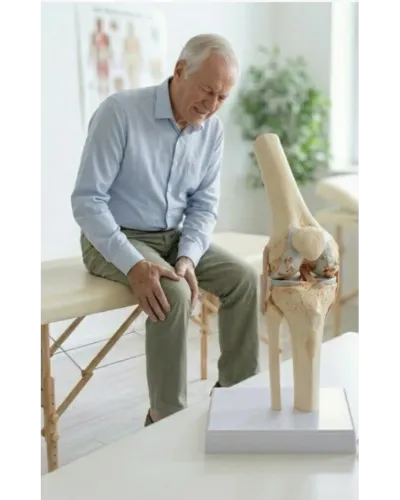
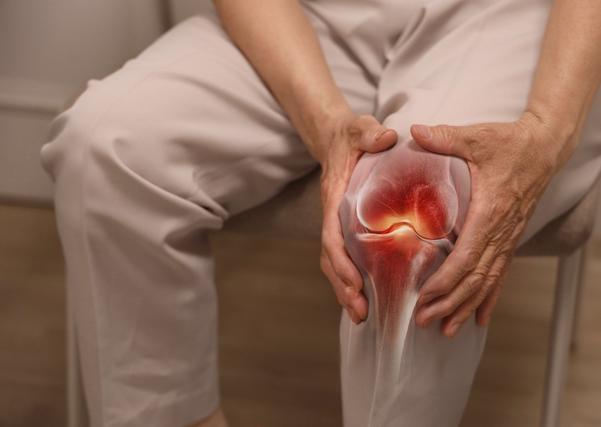
- Deep, aching pain in the groin, front of the thigh, buttock, or side of the hip, especially with walking, climbing stairs, or standing for long periods.
- Morning stiffness that lasts more than 30 minutes before easing.
- Reduced range of motion – difficulty putting on shoes, socks, cutting nails, or getting in and out of a car.
- Limping or a feeling of instability while walking.
- Pain at night, especially when lying on the affected side, which can disrupt sleep.
- Feeling of the leg shortening or a change in gait over time.
These symptoms may start mildly and gradually worsen. Many patients in South Delhi initially try painkillers, rest, and home remedies, only to find that pain returns and worsens with activity.
Why Hip Arthritis Is Common in Delhi and South Delhi
Urban lifestyles in Delhi contribute to hip problems:
- Sedentary office work with long hours sitting, combined with sudden weekend sports or heavy lifting.
- Overweight and obesity, which increase load on the hip joints.
- Poor posture, prolonged sitting, and weak hip and core muscles.
- Repetitive strain from stairs, metro commuting, uneven roads, and carrying heavy loads.
- Previous hip injuries or developmental hip problems (e.g., dysplasia, slipped capital femoral epiphysis) that accelerate arthritis.
If you are aged 32–65 and regularly experience hip pain, stiffness, or difficulty with daily activities, it is important to consult an Orthopaedic Doctor in Delhi early rather than waiting for the condition to worsen.
Non‑Surgical Treatment Options for Hip Arthritis in Delhi
In early to moderate hip arthritis, non‑surgical treatment can often control pain and preserve the natural joint for many years. As an orthopedic surgeon, I always start with conservative options before considering surgery.
1. Lifestyle and Home Care
- Weight management: Losing even 5–10 kg can significantly reduce load on the hip.
- Activity modification: Avoiding high‑impact activities (running, jumping, long‑distance walking) and switching to low‑impact options like swimming, cycling, or stationary cycling.
- Posture and ergonomics: Avoiding prolonged sitting, crossing legs, and deep squats.
- Supportive footwear and use of a cane or walking stick if needed.
2. Physiotherapy and Targeted Exercises
Physical therapy is one of the most effective non‑surgical treatments for hip pain. A structured program may include:
- Hip strengthening exercises for gluteal, quadriceps, and hamstring muscles.
- Core strengthening to improve trunk stability and reduce hip load.
- Stretching of hip flexors, hamstrings, and calf muscles.
- Balance and gait training to improve stability and reduce fall risk.
Physical therapy is effective and can sometimes reduce or eliminate the need for surgery if started early and followed consistently.
3. Medications and Injections
- NSAIDs and pain relievers, used under medical supervision for short periods.
- Hip injections:
- Corticosteroid injections for short‑term relief during severe flare‑ups.
- Viscosupplementation (lubricant injections) to improve cartilage health and smooth movement; effects can last 6–12 months in selected patients.
- PRP (platelet‑rich plasma) injections using the patient’s own blood to support healing in early arthritis.
4. Advanced Non‑Surgical Options
For patients with chronic hip pain who are not ready for surgery or are not ideal candidates, pain management procedures such as nerve blocks or radiofrequency ablation can be considered in select cases, though hip arthritis is more often treated definitively with replacement when advanced.
When Is Hip Replacement Surgery the Right Choice?
Despite the best non‑surgical care, some patients experience worsening hip conditions due to:
- Advanced age
- Severe joint damage
- Injuries or previous hip surgeries
- Progressive arthritis that no longer responds to conservative treatment
In such cases, hip replacement surgery in Delhi becomes the most effective solution to restore mobility and quality of life.
Signs That You May Need Hip Replacement
You should consider consulting a hip replacement specialist if:
- Pain is constant, even at rest or at night.
- Walking, climbing stairs, bending, or getting in and out of a car become very difficult.
- You rely heavily on painkillers or a walking aid.
- X‑rays show bone‑on‑bone arthritis or severe joint damage.
- Your quality of life is consistently affected.
What Is Hip Replacement Surgery?
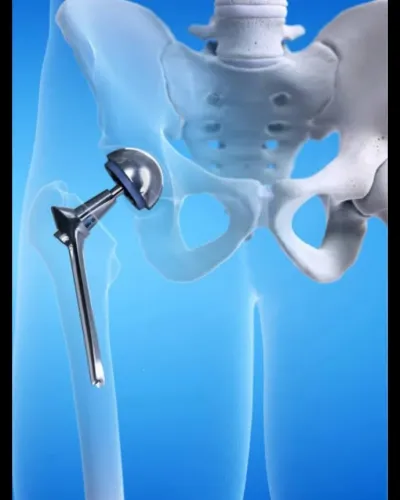
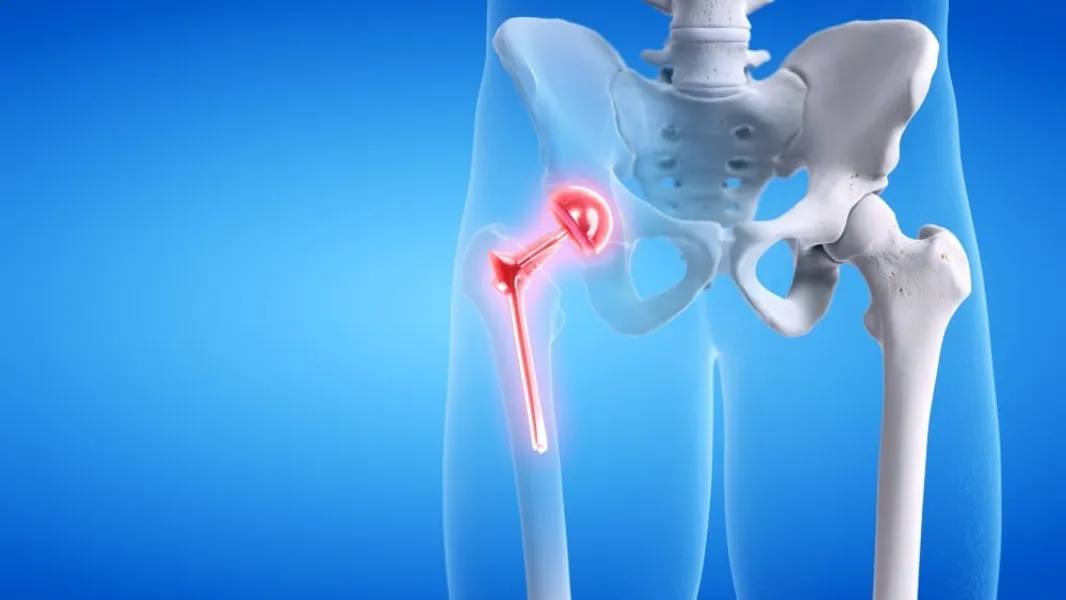
Hip replacement surgery (total hip arthroplasty) involves removing the damaged ball‑and‑socket surfaces of the hip joint and replacing them with artificial implants made of metal, plastic, or ceramic. Modern techniques include:
- Minimal‑incision surgery
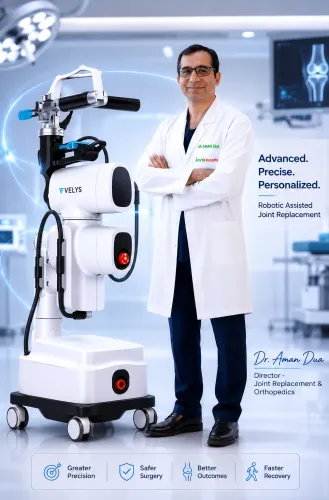
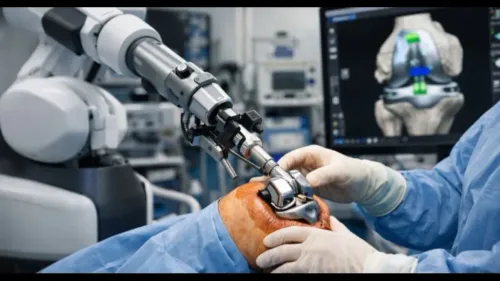
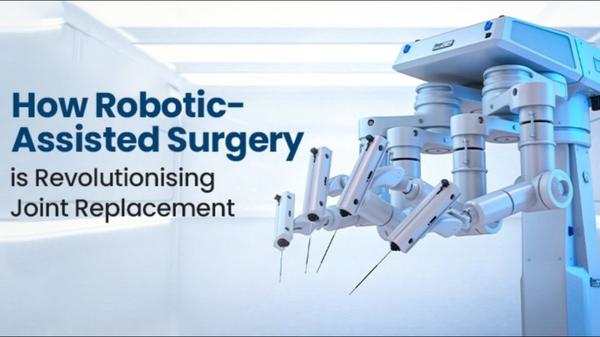
- Robotic‑assisted hip replacement for enhanced precision
- Fast‑track recovery protocols for earlier mobilization and discharge
Benefits include:
- Significant reduction or elimination of pain
- Improved range of motion and gait
- Earlier return to work, travel, and daily activities
- Long‑lasting results (most implants last 15–25 years)
Why Choose a Hip Arthritis Specialist in South Delhi?
Choosing a surgeon near your home in South Delhi makes a huge difference in your recovery journey:
- Easier follow‑up visits and physiotherapy sessions.
- Less travel stress during recovery.
- Better long‑term support and monitoring.
For patients in Greater Kailash, Kalkaji, Nehru Place, Defence Colony, Vasant Kunj, Saket, GTB Nagar, and nearby localities, accessible care means faster, more consistent rehab and better outcomes.
If you are experiencing persistent hip pain, stiffness, or limited movement that affects your daily life, consult a hip arthritis specialist in Delhi early. Early diagnosis increases the chance of saving the natural joint and delaying or avoiding major surgery.
Take the First Step Toward a Pain-Free Life
Knee pain does not have to define your life. Thousands of our patients across Delhi NCR are today walking freely, climbing stairs, playing with their grandchildren, and enjoying the independence they feared they had lost forever.
If you are between 20 and 65 years old and living with knee pain that is limiting your daily life, we invite you to come in for a consultation. There is no obligation — just an honest, thorough assessment and a clear explanation of all your options, both surgical and non-surgical.
Dr. Aman Dua — Centre for Joint Diseases
Fortis Escorts Hospital, Okhla Road
Near Sukhdev Vihar Metro Station, New Delhi 110025
📞 +91-8750005633 | +91-9625440750
🌐 www.fasttrackkneereplacement.com
⏰ Monday to Saturday: 10:00 AM – 4:00 PM
This article is written for educational purposes by Dr. Aman Dua, MS Orthopaedics (AIIMS), DNB Orthopaedics, MNAMS, Director – Joint Replacement & Orthopaedics, Fortis Escorts Hospital, New Delhi. Please consult a doctor for a personalised assessment.
Keywords