
Is Knee Replacement Painful? The Truth Every Delhi Patient Needs to Hear
Knee replacement can involve pain after surgery, but for most patients it is manageable, temporary, and much less troublesome than the long-term pain of advanced knee arthritis. The surgery itself is performed under anaesthesia, so patients do not feel pain during the procedure.
The real question is not whether there will be any discomfort after surgery—there usually is—but whether that discomfort is properly controlled and whether it improves as the knee heals.
Why patients fear knee replacement
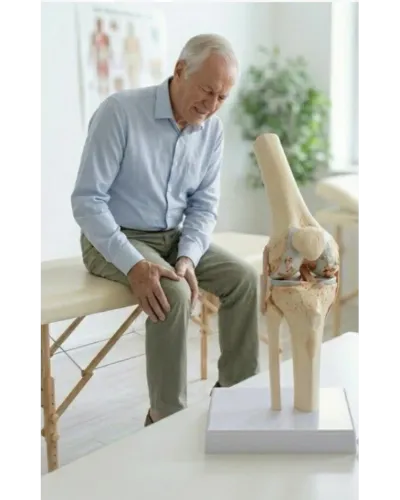
Many people in Delhi delay knee replacement because they have heard that recovery is extremely painful. This fear is understandable, especially when knee arthritis has already affected walking, sleep, stairs, and independence.
However, knee replacement is usually considered when the joint is severely damaged and non-surgical options no longer provide enough relief. The purpose of surgery is to reduce arthritis-related pain, improve movement, and help patients return to daily activities with greater confidence.
What happens during knee replacement surgery?
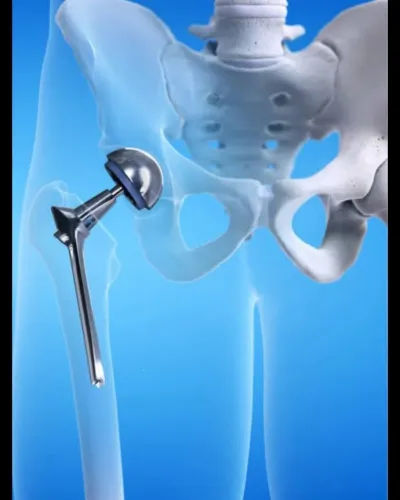
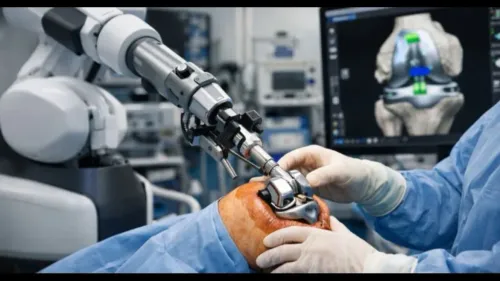
During knee replacement surgery, the damaged surfaces of the knee joint are replaced with an artificial implant. The procedure is performed under anaesthesia, so you should not experience pain while the operation is being carried out.
Before recommending surgery, an orthopedic surgeon evaluates your symptoms, walking ability, knee movement, X-rays, medical history, and response to earlier treatments. Surgery is not automatically the first option; it is considered when conservative care no longer adequately controls symptoms or when the knee is significantly affecting quality of life.
Is pain normal after knee replacement?
Yes. Some pain, swelling, and stiffness after knee replacement are normal because the body needs time to heal. The level and duration of discomfort vary from patient to patient.
Common early experiences include:
- Soreness around the knee and incision.
- Swelling and warmth in the joint.
- Stiffness after resting or sleeping.
- Discomfort while bending the knee or taking early steps.
- Muscle weakness around the thigh and hip.
These symptoms do not automatically mean the surgery has failed. In most cases, they gradually improve with prescribed medicines, ice, mobilisation, and follow-up care.
How is pain managed after surgery?
Pain management after knee replacement is planned before and after the operation. Modern protocols often combine more than one method instead of relying only on strong painkillers.
This may include:
- Appropriate anaesthesia during surgery.
- Prescribed pain-relief medicines.
- Ice therapy and limb elevation, as advised.
- Early, controlled mobilisation.
- Monitoring of swelling, wound healing, and comfort.
- Regular follow-up to adjust the recovery plan if required.
The aim is to keep pain at a level that allows safe movement and rehabilitation—not to expect zero pain from day one.
How long does knee replacement pain last?
Recovery differs for every patient, but a general pattern is:

These timelines are approximate. Age, fitness, severity of arthritis before surgery, other medical conditions, implant type, surgical technique, and adherence to follow-up care can all influence recovery.
Does knee replacement remove pain completely?
Knee replacement often provides major relief from arthritis pain, but no surgeon can honestly promise a completely pain-free knee for every patient. Some patients may continue to have mild discomfort, stiffness, or awareness of the implant, particularly in the early months.
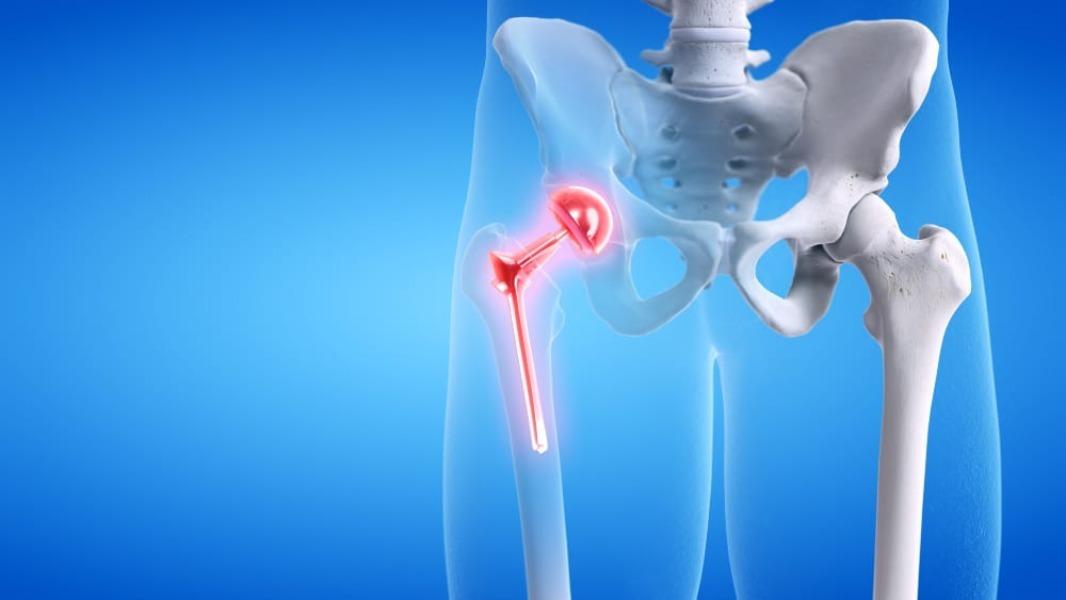
Persistent or worsening pain should always be assessed by the treating surgeon. Causes can include healing-related inflammation, stiffness, soft-tissue irritation, alignment issues, infection, or other medical factors. Early review helps identify the reason and guide appropriate treatment.
Why the surgeon you choose matters
Knee replacement is not only about the implant. It is also about careful patient selection, surgical planning, precise technique, pain management, and structured follow-up.
Dr. Aman Dua is an orthopedic surgeon specialising in joint replacement, with M.S. Orthopedics from AIIMS, New Delhi, D.N.B. Orthopedics, and 23 years of experience. His practice, Centre For Joint Diseases, focuses on knee arthritis, joint replacement, and related orthopedic care in Delhi.fasttrackkneereplacement
For patients considering surgery, a consultation can help clarify:
- Whether knee replacement is actually needed at this stage.
- Whether non-surgical options may still be appropriate.
- Which type of knee replacement or surgical approach may suit their condition.
- What recovery, precautions, and follow-up will look like.
- Whether a second opinion is advisable before making a decision.
When should you see a knee replacement surgeon?
Consider a specialist consultation if you have:
- Knee pain that persists despite medicines or lifestyle changes.
- Pain while walking, climbing stairs, or standing for long periods.
- Night pain or pain that disturbs sleep.
- Increasing stiffness, swelling, or deformity of the knee.
- Difficulty performing routine activities independently.
- Repeated swelling, locking, instability, or reduced movement.
Early assessment does not always mean surgery is required. It helps you understand the cause of pain and the most suitable treatment path.
Questions to ask before knee replacement
Before agreeing to surgery, ask your orthopedic surgeon:
- Is my knee condition severe enough to require replacement?
- What non-surgical options are still appropriate for me?
- What type of implant and surgical approach do you recommend?
- How will pain be managed after surgery?
- When will I be able to stand and walk?
- What are the possible risks and complications?
- How long will recovery take in my case?
- What follow-up care will I need?
When to seek urgent medical advice
After knee replacement, contact your surgical team promptly if you develop:
- Increasing redness, warmth, or discharge from the wound.
- Fever or feeling unwell.
- Severe or rapidly worsening pain.
- Sudden major swelling.
- Chest pain, breathlessness, or calf pain with swelling.
- Numbness, colour change, or a sudden inability to move the leg.
These symptoms need prompt medical assessment and should not be ignored.
Consult Dr. Aman Dua in Delhi
If chronic knee pain is affecting your mobility or you are unsure whether knee replacement is right for you, a specialist assessment can help you make an informed decision.
Dr. Aman Dua
Centre For Joint Diseases
Fortis Escorts Hospital, Okhla Road, Near Sukhdev Vihar Metro Station, Delhi 110025
Phone: +91 9625440750
Hospital contact: +91-8750005633
Timings: Monday–Saturday, 10:00 AM–4:00 PM
Website: https://www.fasttrackkneereplacement.com/
FAQs
Is knee replacement surgery painful?
You should not feel pain during the operation because anaesthesia is used. Pain after surgery is common but is usually manageable with a planned pain-control protocol.
How long does pain last after knee replacement?
Pain is often highest in the first few days and gradually reduces over the following weeks. Swelling and stiffness may take longer to settle, sometimes several months.
Will I be able to walk after knee replacement?
Many patients begin standing or walking with support within the first day or two, depending on the surgeon’s protocol and individual recovery. Your surgical team will guide your specific plan.
Is knee replacement the only treatment for knee arthritis?
No. Treatment depends on the severity of arthritis and symptoms. Non-surgical options, injections, lifestyle changes, and other procedures may be appropriate in some cases. Surgery is considered when these no longer provide adequate relief.
When should I consult a knee replacement surgeon in Delhi?
Consult a specialist if knee pain is persistent, limits walking or daily activities, disturbs sleep, or continues despite non-surgical treatment.
Keywords